When it comes to making a Native American flute, one of the most important steps is gathering the materials needed for the project. Traditionally, these flutes were made using natural materials found in nature, such as wood and feathers.
To begin, you will need to find a suitable piece of wood for the body of the flute. Cedar or bamboo are popular choices due to their resonance and durability. It is important to select a piece of wood that is straight and free from knots or cracks, as these imperfections can affect the sound quality of the finished flute.
Next, you will need to gather materials for the mouthpiece and tuning holes. Feathers are often used for decorative purposes on Native American flutes, so you may want to collect some feathers from local birds to adorn your flute. Additionally, small stones or shells can be used to create unique designs on the exterior of the flute.
Once you have gathered all of your materials, it is time to start crafting your flute. Using traditional woodworking tools such as knives and sandpaper, carefully shape the wood into a cylindrical tube with a hollowed-out center. Be sure to leave enough space at one end for the mouthpiece and tuning holes.
After carving out the basic shape of the flute, you can begin adding decorative elements such as feathers and stones. These embellishments not only enhance the visual appeal of your flute but also add personal meaning and symbolism to your creation.
In conclusion, gathering materials for making a Native American flute is an essential part of honoring this ancient tradition. By using natural materials found in nature and incorporating meaningful decorations, you can create a beautiful and authentic instrument that pays homage to Native American culture.
what main demand of native american advocacy groups
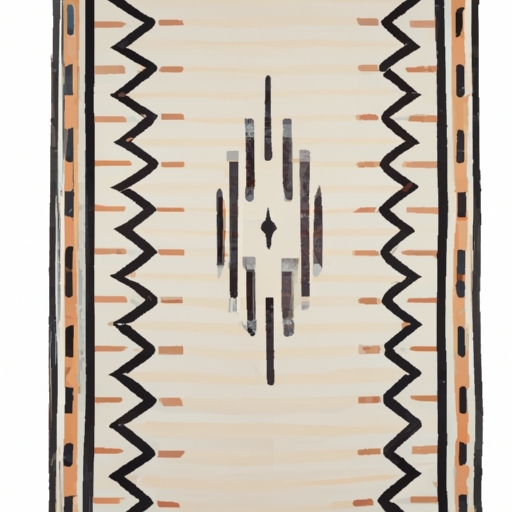
When it comes to making a Native American flute, one of the most important steps is shaping and carving the flute body. This process requires skill, patience, and a deep connection to the music that will eventually flow through the instrument.
As a flute maker, I start by selecting a piece of wood that has the right tone and grain for creating a beautiful sound. I carefully outline the shape of the flute on the wood, taking into consideration its length, diameter, and taper. Using sharp tools and steady hands, I begin to carve away at the wood, slowly shaping it into a smooth and elegant form.
The key to success in this step is to maintain balance and symmetry throughout the carving process. Every curve must be precise, every angle must be perfect. It is not just about creating an aesthetically pleasing design; it is about ensuring that the flute will produce clear and resonant notes when played.
As I work my way through each flute body, I can feel myself becoming more attuned to the music that lies within. The wood seems to whisper secrets of ancient melodies as I carve away its outer layers. In those moments, I am not just a craftsman; I am a conduit for something greater than myself.
When the shaping and carving are finally complete, I hold up the finished flute body with pride. Its smooth lines and graceful curves reflect hours of dedication and love poured into its creation. And when it is paired with a beautifully crafted mouthpiece and finger holes, it becomes more than just an instrument – it becomes a vessel for expressing centuries-old traditions and stories.
In this way, shaping and carving the flute body is not just a technical skill – it is an art form that connects me to my ancestors and to all those who have come before me. It is a reminder of our shared humanity and our collective desire to create beauty in all forms. And when someone picks up one of my flutes and plays it for the first time, they too will feel that connection – between past and present, between craftsmanship and music.
Creating the sound hole and tuning the flute are essential steps in making a Native American flute. These processes require precision and attention to detail to ensure that the flute produces beautiful, clear tones.
When creating the sound hole, it is important to carefully measure and cut out the hole in the body of the flute. The size and placement of the sound hole will directly impact the quality of sound produced by the flute. It is crucial to take into account factors such as airflow and resonance when determining where to place the sound hole.
Tuning the flute involves adjusting the length of each chamber to produce specific notes when played. This process requires a keen ear and a good understanding of musical theory. By carefully measuring and adjusting each chamber, a skilled craftsman can create a flute that plays in perfect harmony.
Overall, creating the sound hole and tuning the flute are vital steps in making a high-quality Native American flute. These processes require patience, skill, and a deep appreciation for music. When done correctly, they result in a beautiful instrument that produces soul-stirring melodies for all who listen.
When crafting a Native American flute, adding decorative elements is a way to honor the traditional artistry and culture of the instrument. These embellishments not only enhance the visual appeal of the flute but also add a personal touch to its design.
One common decorative element used in Native American flutes is intricate wood carvings. These carvings can depict symbols or animals that hold significance in Native American beliefs and traditions. By carefully carving these designs into the flute, artisans are able to create a unique piece of art that tells a story through its imagery.
Another popular decorative technique is painting or staining the flute with natural dyes or pigments. This adds color and depth to the instrument, making it stand out visually while also highlighting the natural beauty of the wood used in its construction. Traditional patterns and motifs can be painted onto the flute, further connecting it to Native American heritage.
Beadwork is another way to decorate a Native American flute, with colorful beads being woven into intricate patterns along its length. This meticulous process requires skill and patience but results in a stunningly beautiful finished product that reflects both tradition and creativity.
Overall, adding decorative elements to a Native American flute is a labor of love that enhances not only its appearance but also its cultural significance. Each embellishment tells a story and adds character to the instrument, making it truly one-of-a-kind. By incorporating these elements into their craft, artisans pay homage to the rich history and artistry of Native American flute-making while creating something truly special for generations to come.
When it comes to making a Native American flute, the finishing touches are crucial in ensuring that the instrument not only looks beautiful but also sounds amazing. After all the hard work put into carving and shaping the flute, it is time to focus on testing its sound quality.
The first step in testing the flute's sound quality is to carefully inspect each part of the instrument. Make sure that there are no cracks or imperfections that could affect the sound. Once you are satisfied with the visual inspection, it is time to play a few notes on the flute.
Start by playing some simple scales to get a feel for how the flute sounds. Pay attention to any inconsistencies in tone or pitch. If you notice any issues, try adjusting the placement of your fingers or tweaking the position of the tuning holes.
Next, experiment with different playing techniques to see how they impact the sound of the flute. Try playing softly and then gradually increase your volume to see how well the instrument responds. You may also want to try playing different styles of music to test out the versatility of your flute.
Finally, consider seeking feedback from others who have experience with Native American flutes. They may be able to offer valuable insights and suggestions for improving your instrument's sound quality.
By taking these steps and paying close attention to detail, you can ensure that your Native American flute not only looks beautiful but also sounds incredible. Good luck with your flute-making journey!
When it comes to learning how to make a Native American flute, one of the most important aspects to consider is mastering the playing techniques. For beginners just starting out on their flute-making journey, understanding and practicing these techniques can be key to creating beautiful music.
One of the first things beginners should focus on is breath control. Blowing into the flute with steady, controlled breath will help produce clear and consistent notes. It may take some practice to find the right balance between too much and too little air pressure, but with time and patience, this essential technique can become second nature.
Another important playing technique for beginners is fingering. Each hole on the flute corresponds to a specific note, so learning how to cover and uncover these holes in the correct sequence is crucial for playing melodies accurately. Beginners should start by familiarizing themselves with the basic fingerings for each note and then slowly work on transitioning between them smoothly.
In addition to breath control and fingering, beginners should also pay attention to their posture while playing the flute. Sitting or standing up straight with relaxed shoulders can help improve airflow and overall sound quality. It's also important to hold the flute at a slight downward angle towards your mouth to ensure proper alignment for producing clear tones.
As with any musical instrument, practice is key when it comes to mastering playing techniques for Native American flutes. Beginners should dedicate time each day to practicing scales, simple melodies, and exercises that focus on developing their breath control, fingering accuracy, and overall technique.
By focusing on these essential playing techniques and dedicating time to practice regularly, beginners can enhance their skills and create beautiful music with their Native American flutes. With determination and perseverance, anyone can learn how to make enchanting melodies flow from this traditional instrument.